









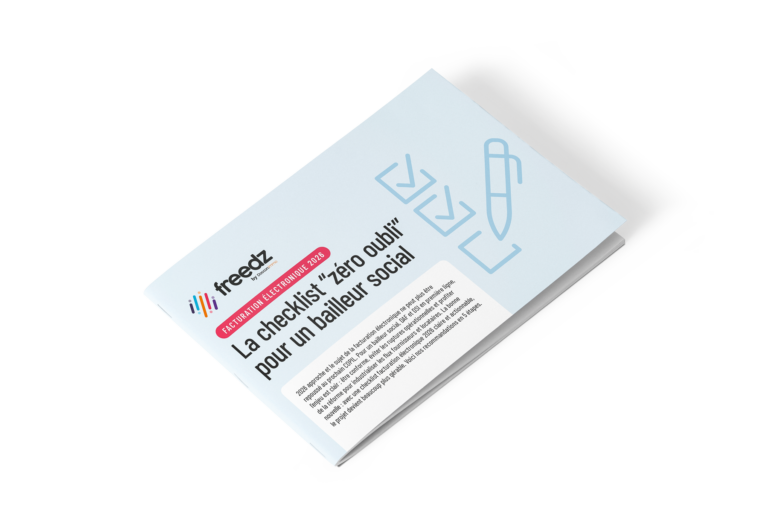
La checklist “zéro oubli” pour un bailleur social
2026 approche et le sujet de la facturation électronique ne peut plus être repoussé au prochain COPIL. Pour un bailleur social, DAF et DSI en première ligne,
l’enjeu est clair : être conforme, éviter les ruptures opérationnelles et profiter de la réforme pour industrialiser les flux fournisseurs et locataires. La bonne nouvelle : avec une checklist facturation électronique 2026 claire et actionnable, le projet devient beaucoup plus gérable. Voici nos recommandations en 5 étapes :
En savoir plus
Traitement des facteurs fournisseurs : comment mieux maîtriser les coûts et les risques ?
Le traitement des factures provenant des fournisseurs reste une tâche administrative fastidieuse. Les factures envoyées sous format papier sont encore nombreuses, malgré ce que l’on pourrait croire. Or, une facture papier nécessite de réaliser une saisie manuelle sur le logiciel de comptabilité, ce qui augmente le risque d’erreurs sans parler du risque d’égarer certaines factures au passage. Au final, beaucoup d’entreprises ont saisi tout l’enjeu de digitaliser leur processus de production, mais des progrès sont encore à réaliser dans la gestion et le paiement des factures des fournisseurs. Pourtant, des solutions existent pour faciliter le traitement de ces factures dans les meilleurs délais.
En savoir plus
Dématérialisation des factures : le guide ultime
La réforme de la facturation électronique amènera petit à petit les entreprises françaises à entreprendre un processus de dématérialisation de factures.
Entre 2026 et 2027, elles devront se conformer aux nouvelles exigences de l’administration fiscale en matière d’e-invoicing et d‘e-reporting.
N’attendez pas le dernier moment pour vous informer sur le sujet et vous mettre en conformité ! Ce livre blanc vous guide pas à pas dans le processus de dématérialisation des factures.
Vous y découvrirez les différents types de factures électroniques, les aspects légaux à respecter, et les stratégies pour optimiser votre projet de transition en toute conformité.
Une ressource précieuse pour anticiper les obligations réglementaires et tirer pleinement parti des avantages de la dématérialisation.
En savoir plus